 NL / EUR









Every step matters: why barefoot shoes can work for children with autism or ADHD
 Be Lenka
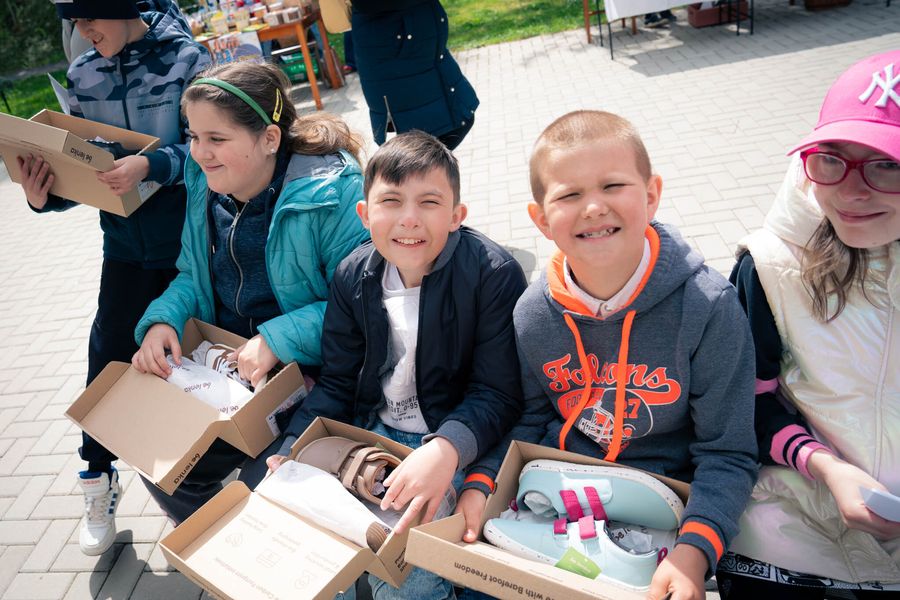
Choosing shoes for children is never simple. For children with ADHD, autism or other neurodevelopmental differences it can be even harder, because they experience sensory input more intensely, footwear included. Be Lenka donated 110 pairs of barefoot shoes for kids to the Ján Vojtaššák school in Žilina, and the result surprised everyone.
- The wrong shoes can cause anxiety
- What sensory sensitivity means
- The problem areas of a shoe
- When barefoot shoes can help
- What helps when choosing children’s shoes
- When the size changes but the routine stays
- Frequently asked questions

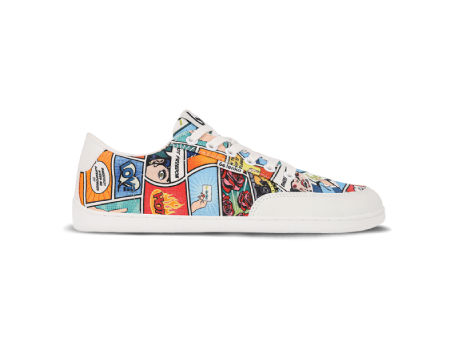
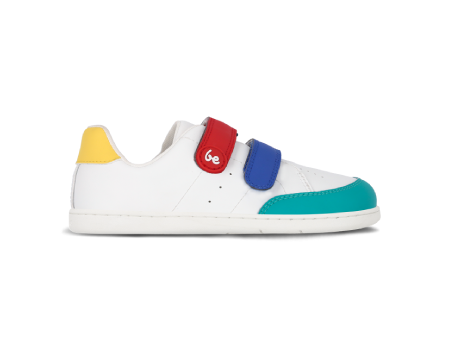
Kids barefoot sneakers
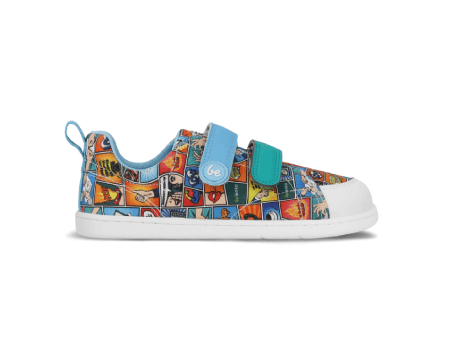
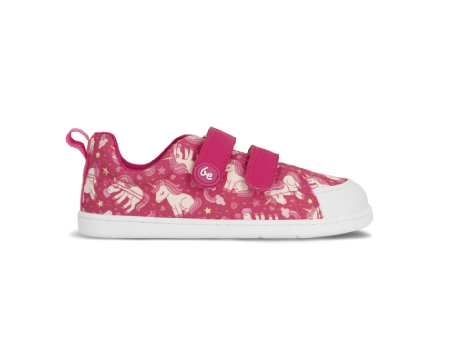
Canvi Preschool - Comics Color
15 colors
The wrong shoes can cause anxiety
A large body of research shows that more sensitive children experience touch, pressure, surfaces, sounds, smells and visual input differently from their peers. It is worth saying clearly that this is not about being spoiled. A child’s reaction does not have to be proportionate to what an adult sees. What a parent registers as a small thing can be, for the child, a constant signal they cannot tune out.
Some children react to input very intensely. Outdoors, paving, gravel, grass, sand, wet surfaces, hard pavement or uneven ground can all be a problem. They may avoid them, slow down, ask to be carried, or walk only on the “safe” parts of the path.
On the shoe itself, a sock seam, a stiff edge, a label, a narrow toe box, the sound of a hook-and-loop strap, an unexpected texture or a smell can all be a problem.
What sensory sensitivity means
The reactions above have a name. Specialists talk about sensory sensitivity, meaning a different way of processing sensory input. The child experiences touch, pressure, sound or smell differently from their peers. Not more or less correctly, just differently. Three patterns are usually described.
Hypersensitivity
The child reacts to input more strongly than you would expect. A sock seam is not a detail, it is a signal that does not go away all day. This pattern is behind avoiding certain surfaces and refusing particular shoes.
Hyposensitivity
Other children experience input less strongly. They may not notice that a shoe is pinching, that a sock has bunched up, or that the foot is sitting awkwardly.
Sensory seeking
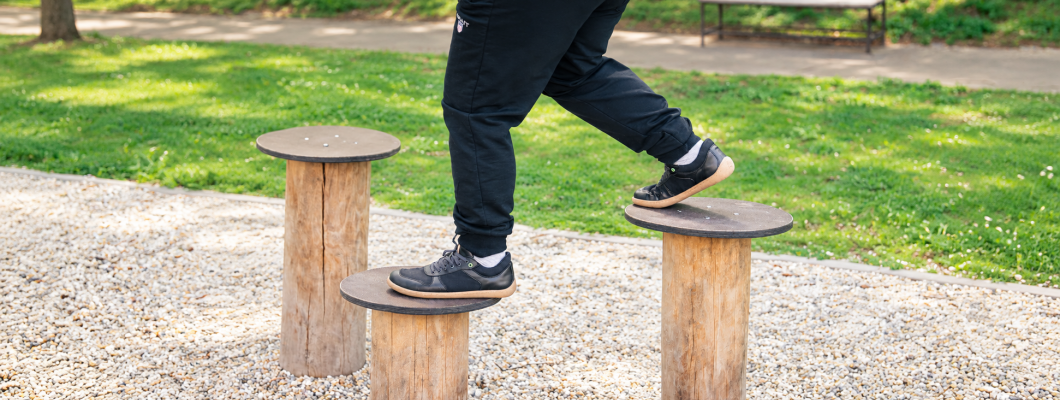
Other children actively look for input. They need more feedback from the ground, so they jump, stamp, walk over uneven terrain or go barefoot. For these children, footwear that allows more contact with the ground can subjectively feel better.
These patterns can even overlap. Needs end up being highly individual.
The problem areas of a shoe
The foot is a particular case. It has a high density of receptors, it stays enclosed in a shoe all day, and the child cannot switch that input off. A jumper comes off; shoes at nursery stay on all morning. That is why footwear comes up in conversations about sensory sensitivity more often than parents expect.
More sensitive children may find the following difficult:
- a pronounced inner seam,
- the transition between tongue and upper,
- pressure from laces or a hook-and-loop strap,
- a narrow toe box,
- a stiff heel counter,
- the collar around the ankle,
- the difference between the left and right shoe,
- a bunched or thick sock,
- sweat, damp or warmth inside the shoe,
- the sound of the sole or the fastening,
- the chemical smell of new material.
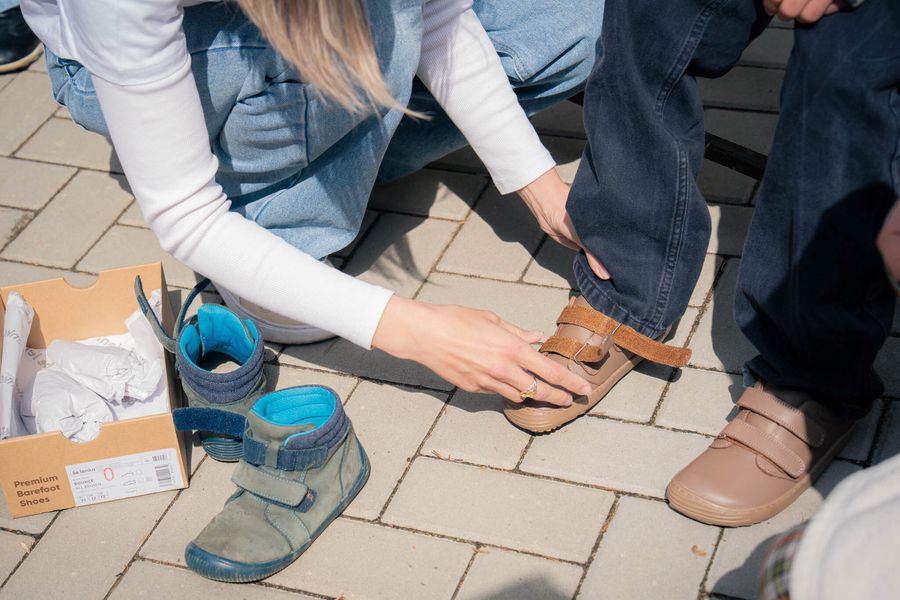
Many of these apply to any child. If a shoe does not fit or pinches, a small child will resist the morning routine and find every possible excuse. That is exactly why, when choosing barefoot trainers for kids, the inside of the shoe deserves as much attention as the design.
When barefoot shoes can help
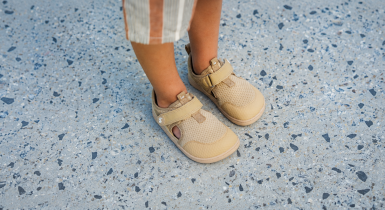
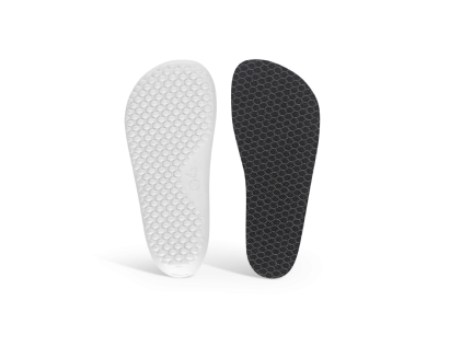
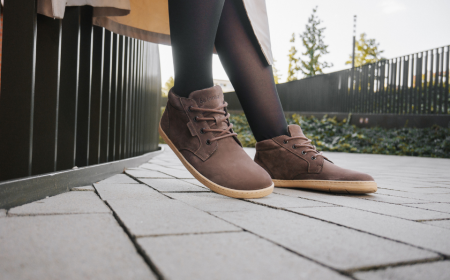
Barefoot shoes for kids can, in certain cases, be a good option for some children with additional needs. A wide toe box, low weight and a flexible sole allow the foot to move more naturally and stay in better contact with the ground.
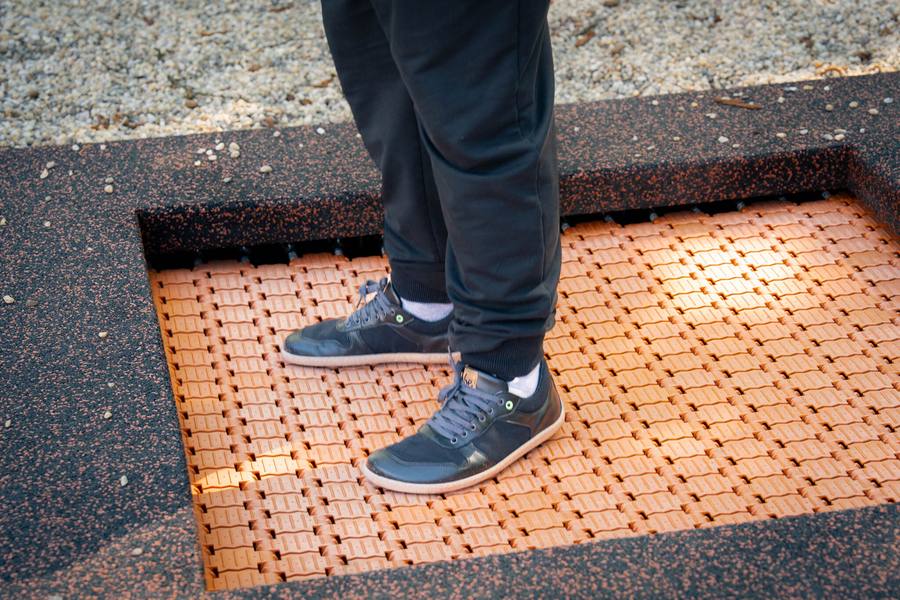
“These shoes are ideal for children with flat feet or inward-rolling ankles, because they engage the foot muscles and naturally strengthen the arch. They also help children with autism, ADHD or coordination difficulties a great deal: the thin sole and better ground contact give them a sense of safety, balance and stability with every step,” says Michaela Dostálová from the Ján Vojtaššák school in Žilina.
We cover the arch and how to strengthen it in a separate article on foot arch pain.
Every step matters
She adds that what parents and children value most is the light weight, the flexibility and the wide toe box, which does not squeeze the toes and lets the foot grow naturally.
“The children love that feeling of freedom, almost as if they were running barefoot, and the simple fastening means they can put the shoes on entirely by themselves. Be Lenka did not just bring boxes of shoes to our school. It brought an interest in our children’s health, a sense of support and an enormous amount of joy. It showed our pupils that every step of theirs matters,” Michaela Dostálová concludes.
What helps when choosing children’s shoes
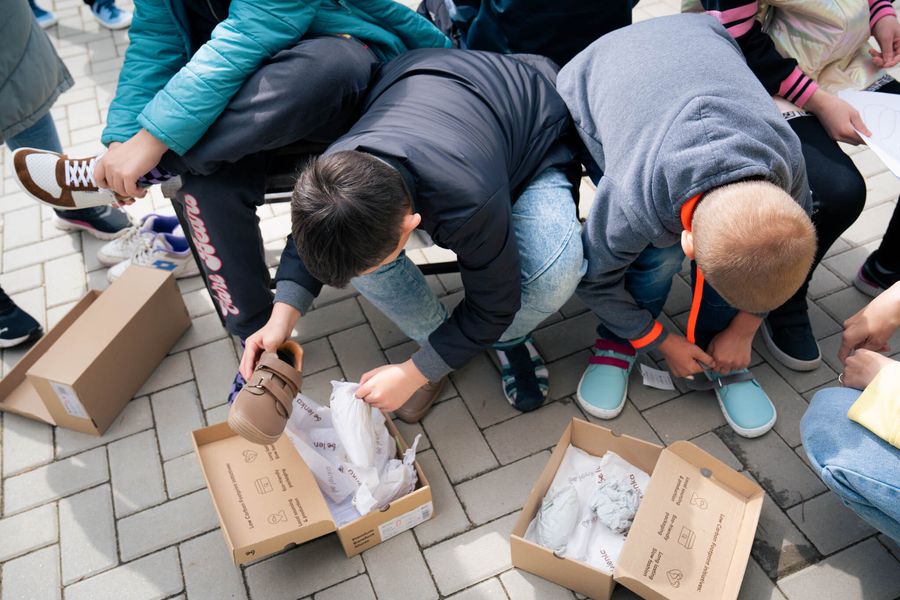
Children with particular sensory profiles or physical limitations need their own approach. Comfort and predictability matter a great deal. The same type of sock, the same way of tightening, the same fastening and a gradual introduction to a new shoe can all reduce stress.
It also helps when the child knows what will happen: “First we put the shoe on for two minutes at home, then we take it off.”
Further recommendations:
- A soft interior irritates the skin less.
- A roomy toe box so the child does not feel confined.
- Low weight, which creates a sense of lightness and freedom.
- A flexible sole, allowing more natural foot movement.
- Adjustability, so parents can fit the shoe to the child’s foot.
- A choice, because a sense of control can reduce resistance to getting dressed.
You will find a detailed guide on how to choose barefoot shoes for kids in a separate article.
When the size changes but the routine stays
For more sensitive children, change is often harder than the shoe itself. A new pair means a new shape, a new material and often a new way of putting shoes on. A child who spent a year learning to fasten their own shoes suddenly starts again from scratch. Parents know the pattern: last year’s model is not available in the next size, and the new one brings a fresh round of protest.
That is why it makes sense to choose models that grow with the child without changing how the shoe goes on. Our range of barefoot shoes for kids includes several.
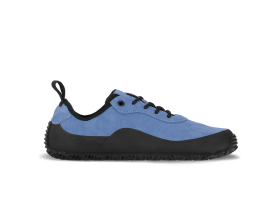
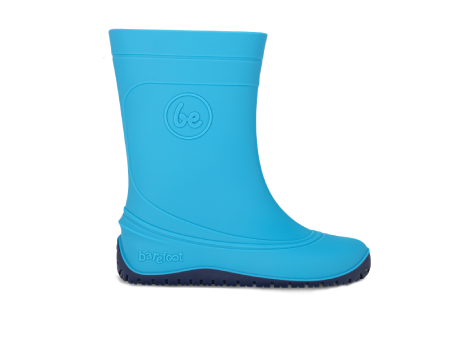
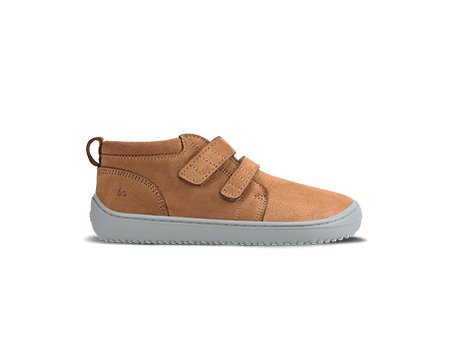
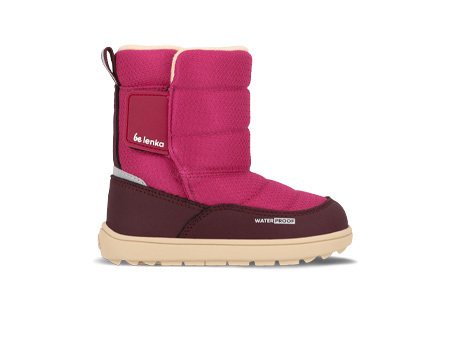
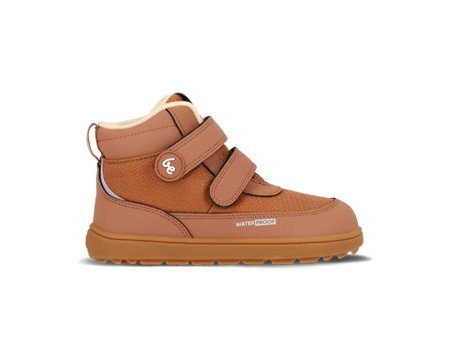
Zippu takes a child through autumn and winter in sizes 20 to 34, across the Preschool, Kids and Junior lines. The fastening stays the same from nursery through the first years of primary school. When the child outgrows one size, the next one goes on exactly as before.
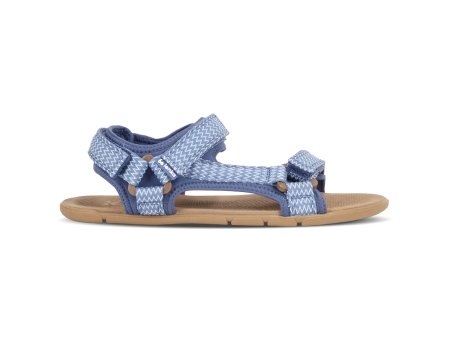
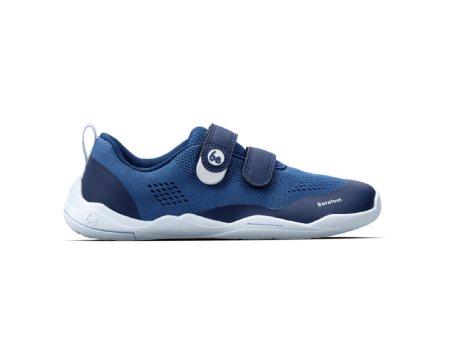
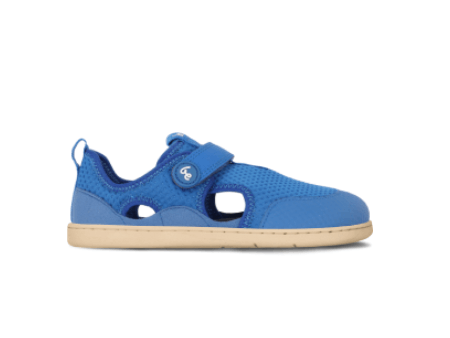
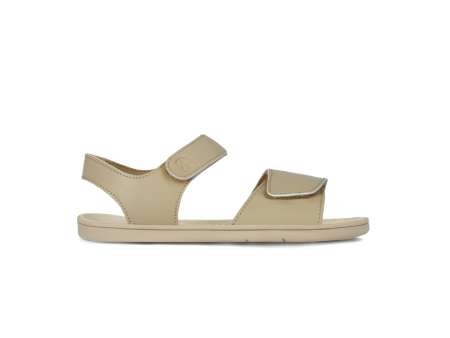
For warmer months, Bounty picks up in sizes 26 to 40, in the Kids and Junior lines. Together they cover the whole year without the morning routine having to be relearned.
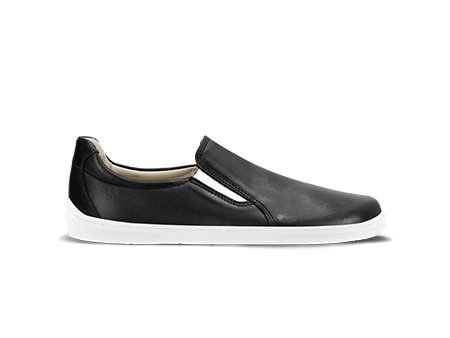
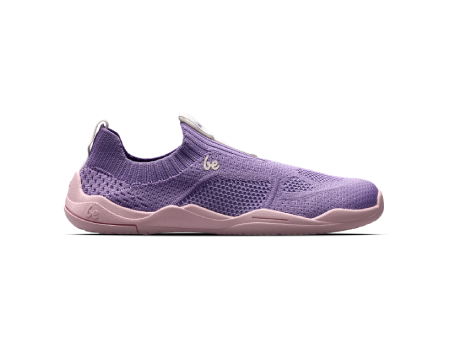
If your child dislikes laces and hook-and-loop straps alike, look at barefoot sports shoes for kids. The Luppo model is a slip-on: it goes straight on, with nothing to tighten or fasten. Fewer steps mean fewer opportunities for something to go wrong. It is available from size 20 to 38, and in the adult collection it continues as Velore, for fitness and light sport. The same way of putting shoes on can stay with a child even after they outgrow children’s sizes.
This is not a small thing. When a child does not have to learn a new routine each time, they keep the confidence they had already built. And the family has one less thing slowing the morning down.
Every child has individual needs, so with a specific diagnosis it is best to discuss footwear with a professional. If you are looking for one pair to cover most of the year, take a look at all-year barefoot shoes for kids.
Sources
- https://pmc.ncbi.nlm.nih.gov/articles/PMC4736331/
- https://www.cdc.gov/autism/hcp/diagnosis/index.html
- https://www.england.nhs.uk/long-read/sensory-friendly-resource-pack/
- https://www.sciencedirect.com/science/article/pii/S0890856725002096
- https://link.springer.com/article/10.1007/s10826-021-01900-y
Discover the current kids' collection of barefoot sneakers.
Contact us if you need advice.
Do you think others should know about this too?
Share it :)