 NL / EUR

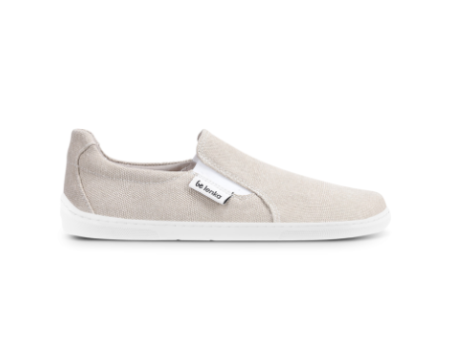
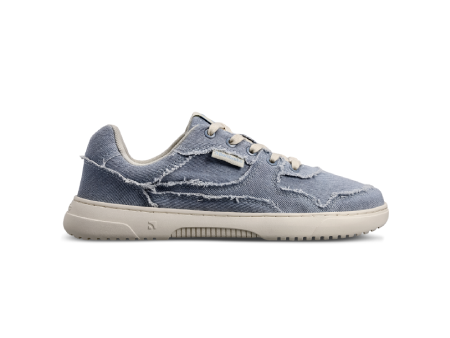
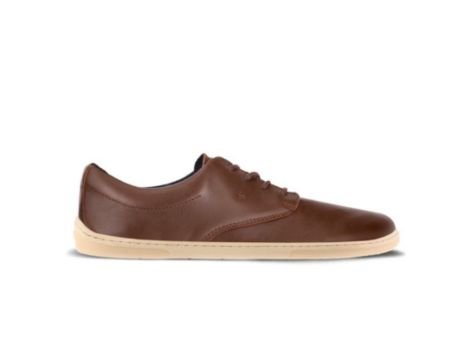
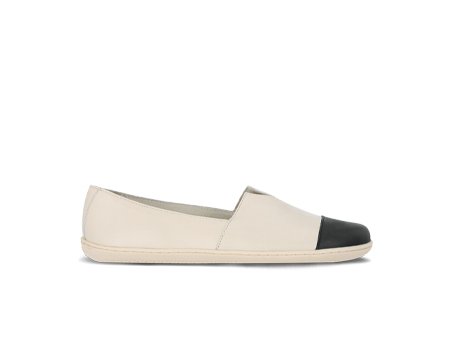

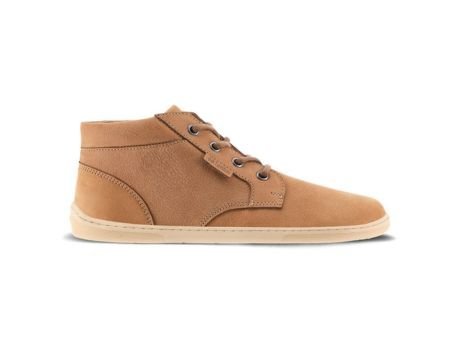
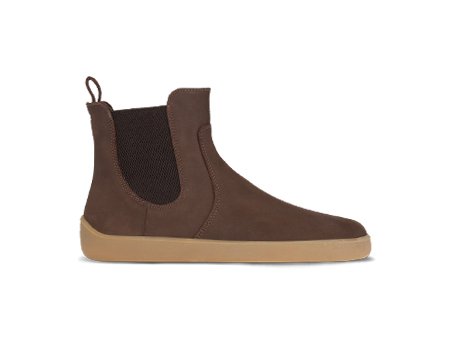
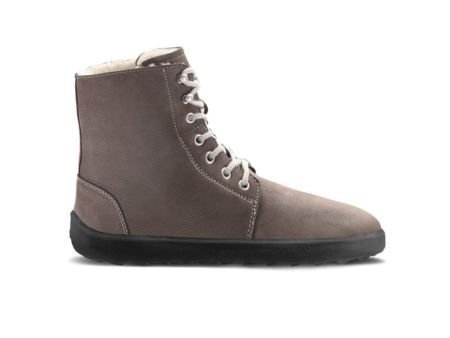
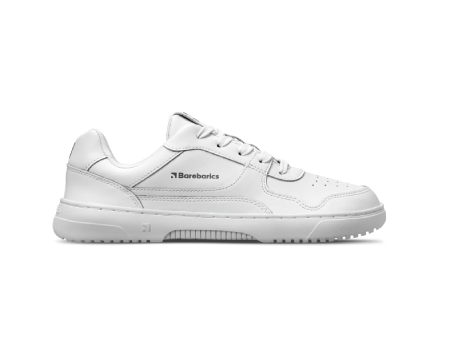
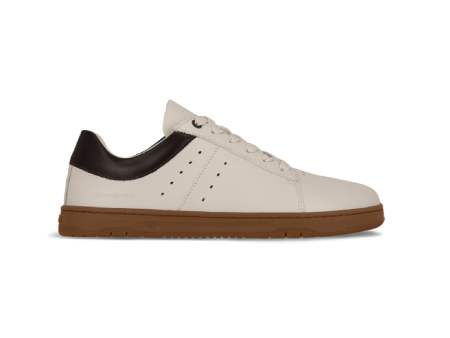
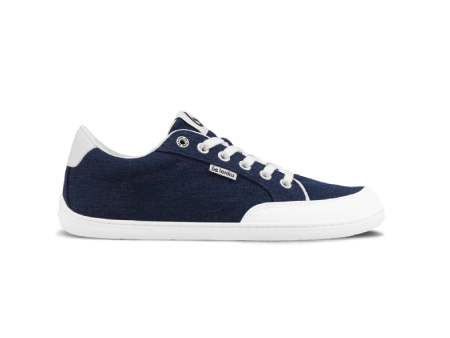

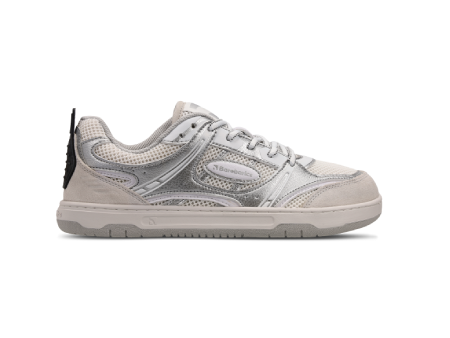
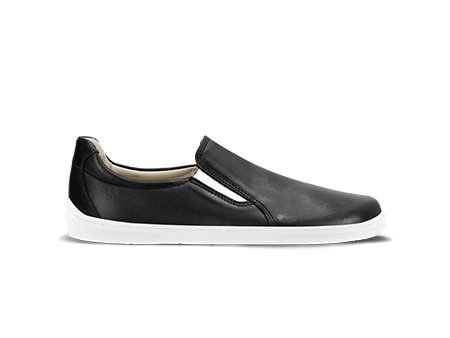
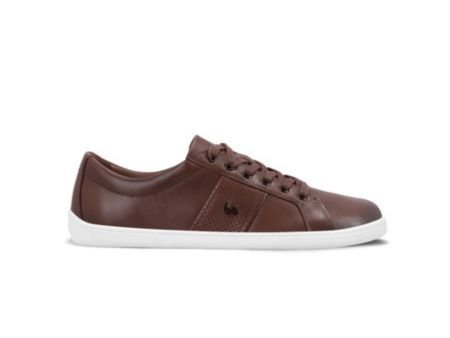

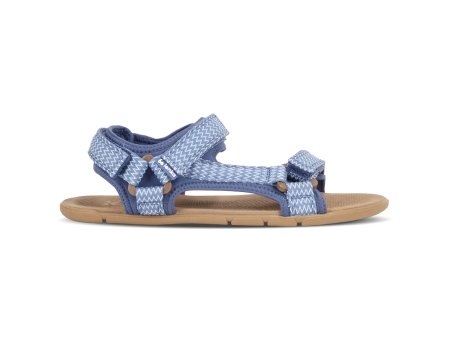

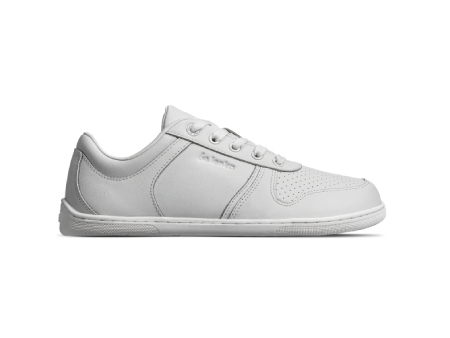

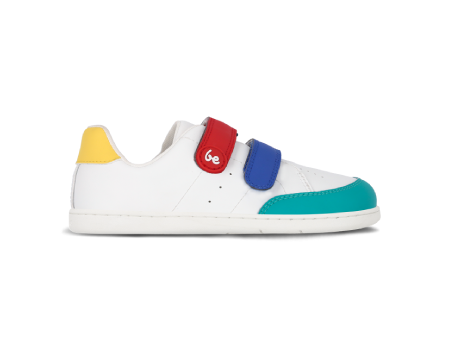
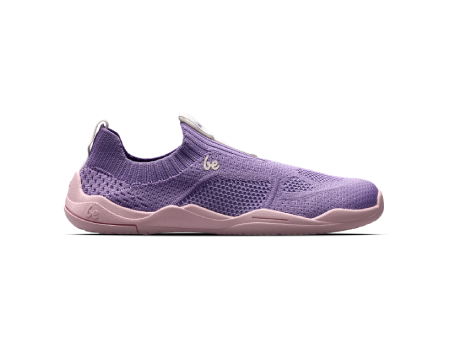
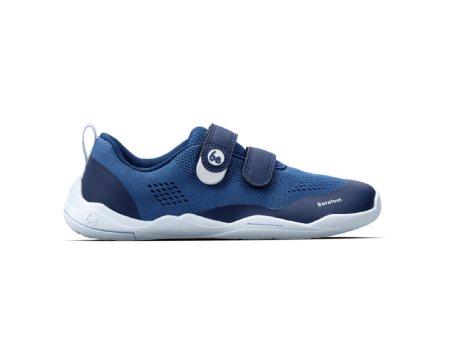
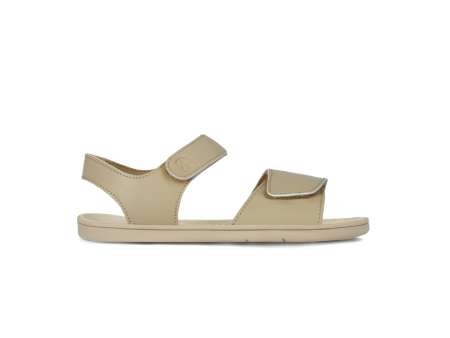
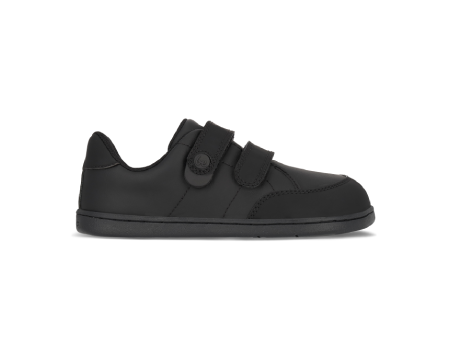

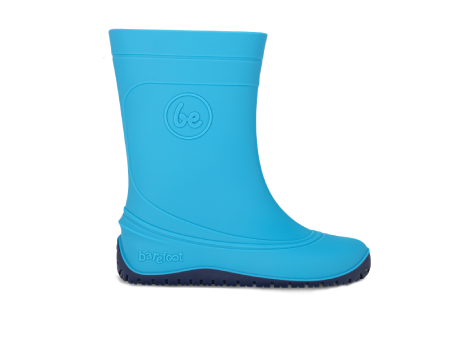
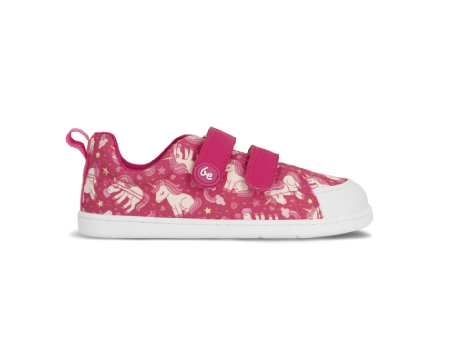
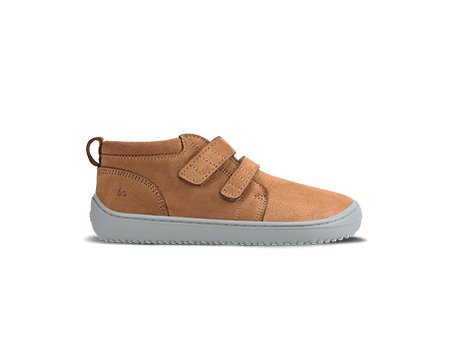
Spring Minimalist Shoes (270)
Bellissima


Zing - Vegan


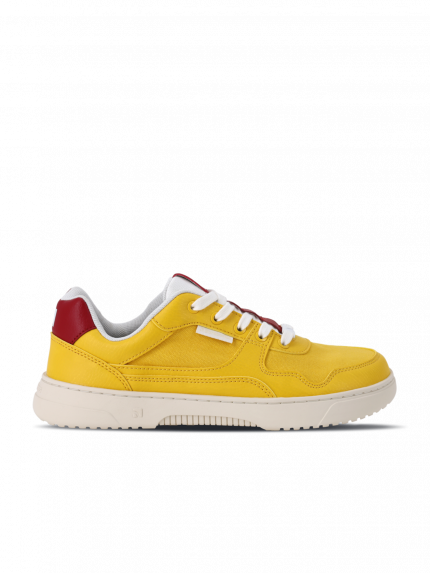
Lilea
Revive
Zing - Denim
Amalea
Zing - Fresh
Flow
Buena
Wave 2.0
Trailair
Velore
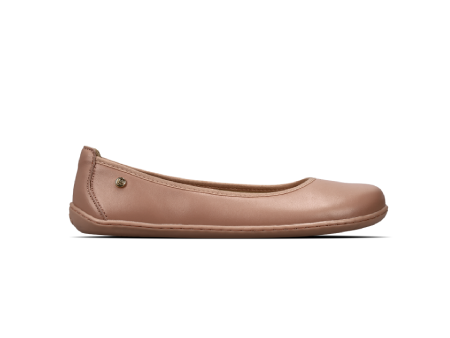
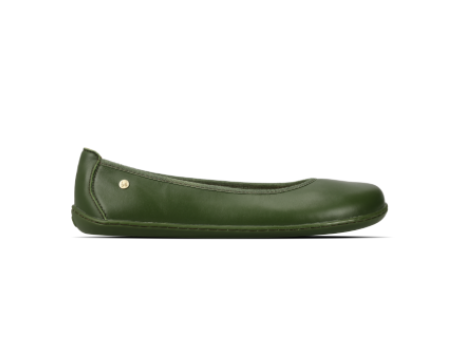
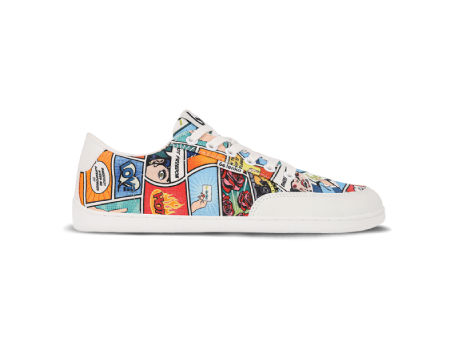
The first warmer days and the urge to head outside. That’s exactly when Be Lenka spring barefoot shoes come onto the scene. A lighter construction, a roomy toe box and a flexible sole give the foot the freedom to move naturally, whatever the spring weather comes up with.
What does transitional footwear mean?
Transitional footwear is the golden middle way between winter and summer. It has no insulation that would overheat the foot, yet it’s durable enough to handle wind and damp. As a rough guide it serves in the range from five to twenty degrees, which covers most spring days. The rest you fine-tune with socks, thicker ones during cold mornings and thinner ones if the afternoon is warm. One pair of shoes thus handles even a larger temperature difference.
Spring footwear for the whole family
Everyone in the family needs something different in spring. Women will find light city models as well as smarter pieces among the women’s spring barefoot shoes. For men, a selection is ready in the men’s spring barefoot shoes. And for children, who welcome spring most actively of all, there are children’s spring barefoot shoes built for playgrounds and first trips alike.
A season that comes back twice a year
Spring shoes have one underrated advantage. They serve spring and autumn, that is two periods with almost identical demands. Counted in days worn, they therefore belong among the most used footwear in the wardrobe. That’s exactly why it pays to invest in quality. Be Lenka transitional models go through the same development as the winter and summer collections, receive the same attention and are tested over thousands of flexes.
Materials that handle the swings of spring
Spring is the least stable season of the year and the materials have to bear it. A breathable upper prevents overheating during a sunny afternoon, a water-repellent finish handles the morning dew and a short shower, and a quick-drying construction recovers easily for the next day. Add to that a sole with good grip. Thanks to all this, you don’t have to decide in the morning by the sky, but by where you’re going.
Do I need both spring and autumn shoes?
+ -In most cases no. Transitional footwear is structurally the same for both seasons, so one well-chosen pair covers spring and autumn. The difference tends to lie in the colours and in how quickly children outgrow the shoes. If you wear the footwear constantly, it pays to have two pairs and alternate them; each one then has time to dry through properly.
Are spring models suitable for first trips into nature too?
+ -On surfaced roads, forest parks and undemanding paths, certainly yes. The flexible sole conveys the terrain to you and the light construction won’t tire the feet even after several kilometres. For muddy terrain and hikes with elevation gain, though, rather reach for outdoor models with a more pronounced tread pattern, which hold more reliably on a slippery surface.
What socks suit spring barefoot footwear?
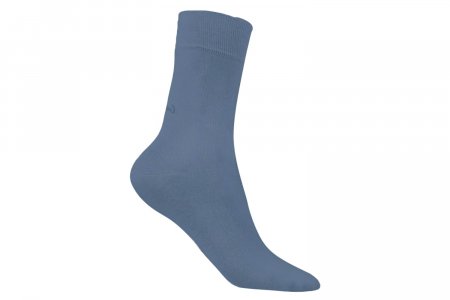
+ -Go by the morning temperature, not the afternoon one. In the cooler parts of the day, thinner wool or merino socks will serve; they warm and wick moisture away at the same time. When it gets warmer, thin cotton or functional socks are enough. The barefoot cut gives the toes enough room in the shoe, so a thicker sock doesn’t press on them and you can swap it according to the weather.